
Hybrid events are no longer a workaround,they’re here to stay. Whether it’s a company town hall, training session, team celebration, or client workshop, the blend of in-person and virtual attendees has become the new normal. But while the tech setups may be flawless, there’s one challenge that continues to stump even the most organized event planners: the food.
How do you create an inclusive, engaging food experience when half your audience is on-site and the other half is behind a screen?
Good news: it’s possible,and it doesn’t have to be complicated. In this blog, we’ll explore how to design a catering strategy that works for hybrid corporate events, keeps remote employees from feeling left out, and turns every attendee (on Zoom or in the room) into a raving fan.
Why Food Still Matters in Virtual Spaces
It’s Not Just About Eating,It’s About Inclusion
You don’t need to physically hand someone a plate of food to show them they’re valued. In the age of remote work and hybrid teams, food becomes more than nourishment,it becomes a shared experience, a way to make everyone feel part of the same moment.
When in-person attendees enjoy a hot breakfast or curated lunch and remote team members get…nothing, it creates an unspoken divide. Food is emotional. When done right, it sends a message: You matter. We thought of you too.
Step 1: Design Your Catering Plan Around the Format
Are You Hosting Synchronously or Asynchronously?
Your catering strategy should align with the event format. Here’s what that means:
Synchronous (Everyone Together in Real-Time):
- You’ll need to time food delivery (for remote guests) and service (on-site) to happen close together.
- This format is ideal for training, executive meetings, or celebrations where you want all attendees sharing the same experience simultaneously.
Asynchronous (Content Consumed at Different Times):
- You can be more flexible with food options,consider sending gift cards or branded snack boxes.
- Best for large internal announcements, flexible remote workforces, or pre-recorded webinars.
Pro Tip: If the remote team is watching live, time for food drop-offs to arrive within 30–60 minutes of the in-person catering being served.
Step 2: Feed the Room,Without Forgetting the Screen
Make In-Person Catering Memorable, but Inclusive
For your in-office attendees, catering is still a powerful tool to create connection, fuel focus, and elevate the vibe. But the key is balance: offer memorable menu items that make sense for the event,while having an equivalent plan for remote guests.
On-Site Menu Musts:
- Easy-to-eat bites (especially for breakout-style or collaborative events)
- Clearly labeled food for dietary needs
- Compostable containers or boxed options for grab-and-go convenience
- Staff available for setup and cleanup so organizers can focus on the event itself
Great Menu Ideas for Hybrid Settings:
- Breakfast burrito bar + remote meal vouchers
- Salad + sandwich boxed lunches + remote Uber Eats codes
- Snack bar + remote snack kits sent in advance
- Hot entrée buffet (like chicken, roasted veggies, rice bowls) + remote Grubhub meals from local vendors
Insider Insight: Try to match the style of food rather than the exact meal,for example, a healthy grain bowl lunch at the office + a digital meal voucher with healthy eatery suggestions for remote guests.
Step 3: Options for Remote Attendee Meals
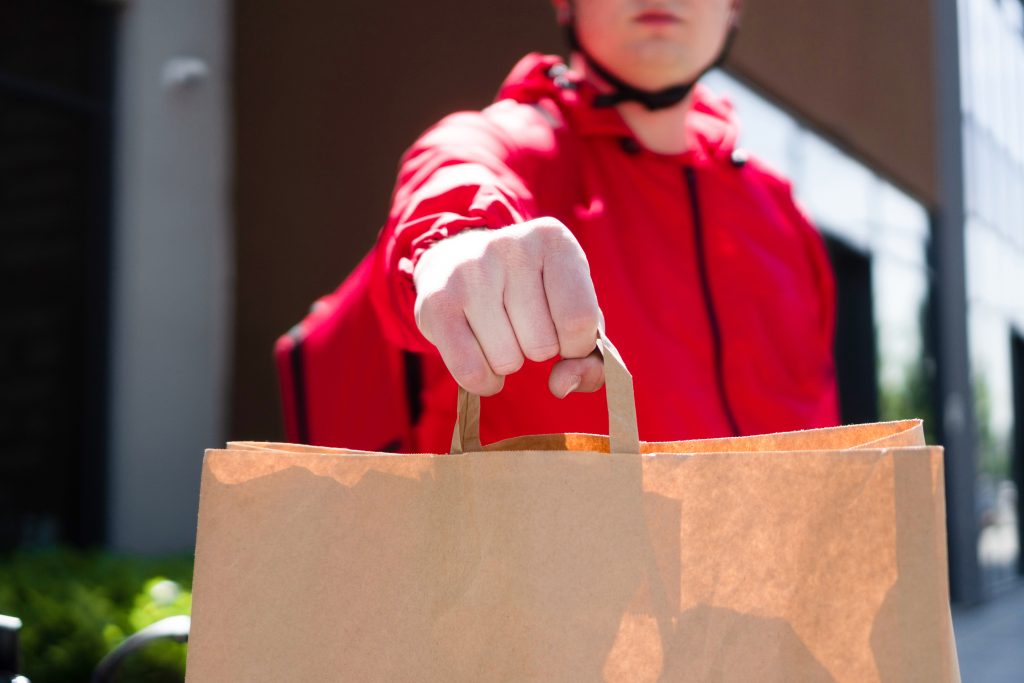
Three Smart Ways to Feed Guests Virtually
Don’t underestimate how powerful it is to feed your remote attendees,especially when done with care. You have a few creative options:
1. Meal Delivery Vouchers
How It Works: Send attendees a pre-paid gift card, meal code, or credit through delivery apps like DoorDash, Uber Eats, or Grubhub.
Best For: One-time meetings, nationwide attendees, fast planning.
Pros:
- Offers flexibility and freedom
- Attendees can order based on dietary needs
- Easy to scale for large events
Cons:
- Less branded or personal
- Risk of delivery issues or delayed orders
Catering Tip: Give remote guests a curated list of local, health-conscious vendors in their area to keep the menu in line with your event theme.
2. Branded Meal or Snack Kits
How It Works: Send pre-packed meals, snacks, or themed boxes in advance to remote participants’ homes.
Best For: Celebrations, product launches, leadership retreats, or high-touch events.
Pros:
- Memorable and giftable
- Can be branded with your company logo or event theme
- Sets a positive tone before the event begins
Cons:
- Requires planning and shipping lead time
- More logistical coordination
Creative Idea: Send a “power breakfast” box with granola, coffee beans, a branded mug, and a handwritten note the day before your hybrid meeting.
3. Local Catering Coordination
How It Works: If most of your remote team is clustered in one or two cities, work with caterers in those areas to deliver the same or similar meals as your in-person attendees.
Best For: Regional meetings with multiple office hubs or hybrid leadership teams.
Pros:
- Feels truly synchronized
- Offers a near-identical experience
- Reflects thoughtful planning
Cons:
- Requires more lead time and vendor coordination
- More difficult for highly distributed teams
Bonus Tip: Two Chicks and a Pot can help coordinate with other vetted caterers for multi-city hybrid events.
Step 4: Make the Meal Part of the Experience
Create Food Moments That Bridge the Gap
Don’t just send food,connect over it. Hybrid events work best when all guests, remote and in-person, feel like they’re having a shared experience. Here are ways to do that:
Interactive Ideas:
- Schedule a 10-minute “Coffee & Catch Up” breakout session over breakfast
- Host a “Snack & Share” during an afternoon break and ask everyone to show their meal
- Include short games or polls with a food twist (“Vote your favorite wrap filling!”)
- Ask everyone to take a photo of their food setup and post to a team Slack thread or company event feed
Real Example: One company had an on-site charcuterie station, and sent remote employees mini cheese + cracker kits. They asked everyone to share pics and tag the company on LinkedIn,it boosted morale and brand presence.
Step 5: Track Feedback and Improve the Next Hybrid Meal
What Went Well? What Needs Tweaking?
After the event, gather feedback specifically about the food experience. Ask remote attendees:
- Did your food arrive on time?
- Was the ordering process smooth?
- Did it feel like you were included in the meal moment?
- Would you prefer a meal kit, voucher, or gift card next time?
This helps fine-tune future hybrid catering strategies and ensures all team members continue to feel equally valued.
Sample Hybrid Event Catering Plan by Two Chicks and a Pot

Event: Quarterly All-Hands Meeting
In-Person Team (Florida HQ):
- Breakfast burrito bar with scrambled eggs, chorizo, black beans, avocado
- Yogurt parfait cups with granola + fresh berries
- Citrus-infused water + cold brew
Remote Team:
- Uber Eats credit with breakfast delivery partners
- Pre-sent branded breakfast box with:
- Granola
- Local coffee sampler
- Stainless steel mug
- Welcome note from the CEO
Shared Experience Touchpoints:
- 10-minute “Breakfast Brainstorm” kickoff breakout
- Team photo collage submission of morning meals
- Raffle entry for best breakfast presentation
Planning a hybrid event? Let Two Chicks and a Pot help you serve up a seamless, satisfying experience for both in-person and remote guests. From curated menus to delivery coordination and branded boxes, we’ll help you feed your team,wherever they are. Contact us today to craft a hybrid catering experience that connects, includes, and impresses.
