Your brand speaks volumes, from your logo and color palette to the way your team communicates and shows up at events. But have you ever considered how it speaks through your menu?
Catering isn’t just about feeding people, it’s a creative tool that can bring your brand to life. Whether you’re hosting a client event, product launch, company anniversary, or team retreat, your food choices should reinforce what your business stands for.
Enter: the menu mood board.
In this blog, we’ll walk you through how to create a catering plan that’s on-brand, memorable, and full of flavor, because your brand should be felt in every bite.
What Is a Menu Mood Board?
More Than a Menu, It’s a Strategy
A menu mood board is a visual and strategic guide that connects your brand identity to the catering experience. It draws from your brand’s personality, values, and visual aesthetics to inform everything from the style of food to the presentation, ingredients, and service.
Think of it like a creative brief, but for your caterer.
Bonus: It helps your internal event team, marketing department, and catering vendor stay aligned on tone, vibe, and expectations.
Step 1: Start With Brand Basics

Clarify Your Core Identity
Before you choose a single dish, get clear on your brand personality. Are you sleek and modern? Bold and adventurous? Classic and dependable? These descriptors should guide the tone of your food.
Brand Style to Menu Style Examples:
- Modern + Minimalist: Bento box lunches, monochrome plating, minimal garnishes
- Bold + Fun: Interactive food stations, bright colors, global flavors
- Traditional + Elegant: Plated entrees, classic proteins, timeless flavors
- Eco-Conscious + Local: Plant-forward dishes, compostable packaging, seasonal menus
Pro Tip: Choose 3–5 words that describe your brand and make sure the food and presentation style align with those themes.
Step 2: Consider the Event Purpose and Audience
Match the Menu to the Mission
Is this a high-stakes client pitch? A celebration for internal teams? A product launch for influencers? Each event has a different tone and your menu should support it.
Event-Type Menu Match Examples:
Client Meeting:
- Tone: Professional, polished
- Menu: Upscale boxed lunches or plated dinner with composed dishes
- Style: Simple, intentional, nothing too messy or complex
Team Celebration:
- Tone: Casual, fun
- Menu: Taco bar, slider station, comfort-food bites
- Style: Colorful, customizable, family-style options
Product Launch:
- Tone: Branded, aesthetic, experiential
- Menu: Mini tasting menu or themed bites that reflect the product
- Style: Instagram-worthy presentation with signage and details
Insider Tip: Think about how the food makes people feel energized, focused, relaxed, inspired? Choose flavors and setups that support that mood.
Step 3: Use Color, Texture, and Style to Reflect Brand Design
Your Color Palette Isn’t Just for the Logo
Incorporating brand colors doesn’t mean dying the food neon blue, it means using tone, plating, linens, and accents to create a cohesive visual experience.
Ways to Subtly Incorporate Brand Aesthetic:
- Use branded napkins, menus, or food signage
- Choose tableware that matches your color scheme
- Include foods that naturally reflect brand colors (e.g., red berries, golden turmeric, fresh greens)
- Use edible flowers or garnishes to bring out accent colors
- Plate in your brand’s visual style, structured and clean, or layered and organic
Example: A wellness brand might use soft neutrals with pale green salads, hummus spreads, and matcha desserts, everything light, clean, and calming.
Step 4: Choose Ingredients That Reflect Brand Values
Let the Food Tell a Story
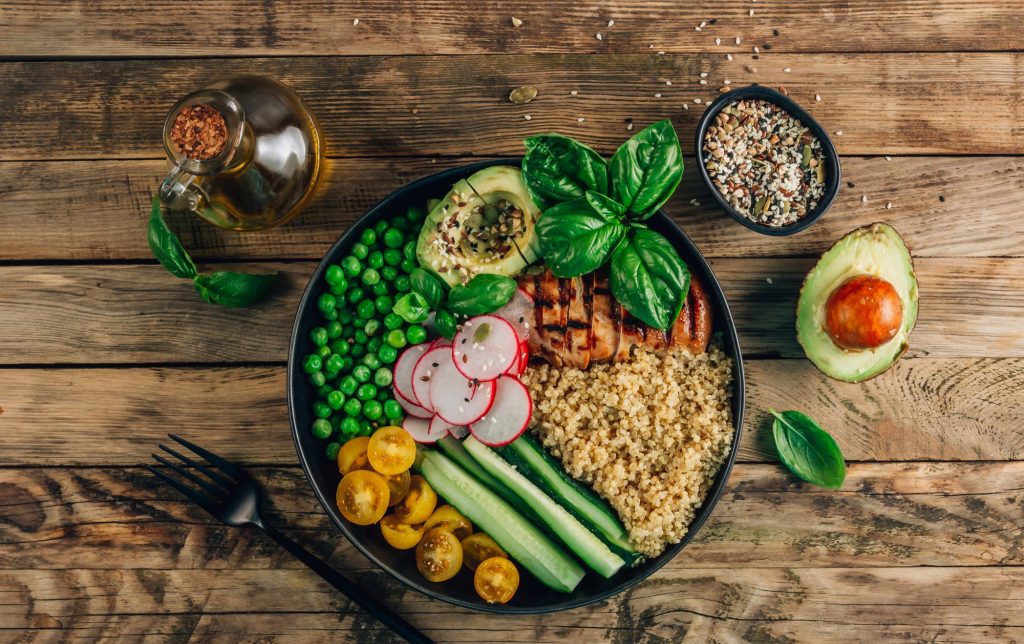
If your company prides itself on being sustainable, innovative, or community-focused, your menu can and should reflect that.
Value-Based Menu Ideas:
- Sustainability: Seasonal ingredients, meatless entrees, compostable packaging
- Innovation: Unexpected flavor pairings, fusion dishes, interactive setups
- Community Support: Featuring local farms, women-owned suppliers, small-batch vendors
- Wellness: Balanced meals with anti-inflammatory ingredients, whole grains, and superfoods
Messaging Tip: Call it out with small signage: “Locally sourced from Indian River Farms” or “In partnership with [local bakery].” These small messages make a big brand impact.
Step 5: Format and Service Matter Just as Much as the Food
Delivery = Brand Experience
Presentation style should match the tone of your brand. A relaxed, family-style meal might feel perfectly on-brand for a casual start-up, while individual plating with sleek presentation suits a luxury service firm better.
Service Style Pairings:
- Plated Dinners: Best for high-end, professional, luxury-oriented brands
- Buffet Style: Great for friendly, flexible, high-volume events
- Food Stations: Ideal for interactive, social, or community-focused brands
- Individual Boxes: Clean, modern, and COVID-conscious great for tech, healthcare, or financial companies
Client Favorite: Offer personalized meal cards at each seat with guest names, menu descriptions, and brand elements, it adds a touch of hospitality and style.
Step 6: Add Finishing Touches that Reinforce the Brand
Tiny Details, Big Impact
The last 10% of your catering presentation is where your brand really shines. These small additions can turn your event from “nice” to “next-level.”
Finishing Touches That Reinforce Branding:
- Branded menu cards or food tags
- Signature snack with company story (e.g., local honey from your HQ town)
- Dessert trays shaped in your logo initials
- Custom packaging with your brand tagline or message
- Personalized thank-you notes tucked under plates or in boxes
Fun Example: One company used edible logo toppers on mini desserts during a campaign launch, fun, photo-worthy, and totally on-brand.
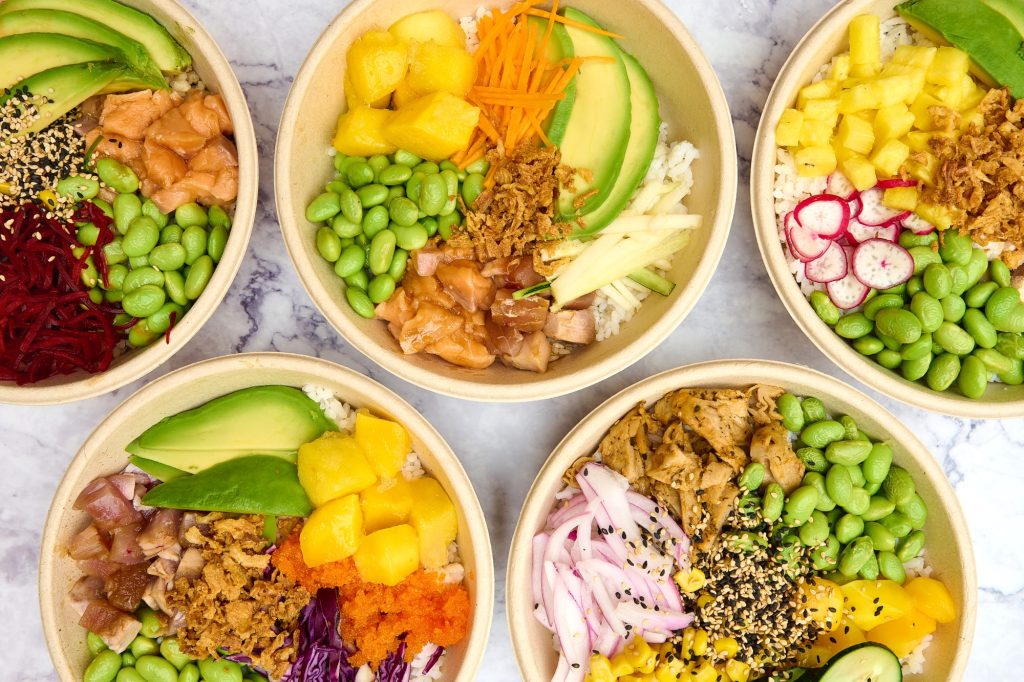
Sample Menu Mood Board: Creative Marketing Agency
Brand Personality: Bold, playful, creative, fast-paced
Color Palette: Black, hot pink, white, gold accents
Event: Campaign launch lunch
Tone: Energetic, high-vibe, social
Mood Board Catering Strategy:
- Appetizers:
- Korean BBQ meatballs
- Beet hummus + rainbow veggie cups
- Mains:
- Build-your-own poke bowls
- Grilled tofu, ahi tuna, citrus chicken
- Toppings: mango, scallions, crispy onions, sesame seeds
- Sides:
- Ginger slaw with edible flower garnish
- Coconut jasmine rice
- Desserts:
- Mini cheesecake pops with gold dust
- Chocolate mousse cups with hot pink spoons
- Presentation Style:
- Black and white marble platters, bold signage
- Custom napkins with the agency’s tagline
Menu Mood Boards Are Worth the Effort
They Build Brand Trust and Engagement
When your event menu reflects your identity, people take notice. Clients recognize attention to detail. Employees feel more connected. Partners get a taste, literally of what you’re about. And guests leave with something to remember.
Final Tip: Share your mood board with your caterer early in the process—at Two Chicks and a Pot, we love using creative direction to design a menu that feels uniquely yours.
Your brand is bold. Let your menu reflect it. Two Chicks and a Pot brings custom-curated catering to corporate events, complete with thoughtful design, personalized menus, and presentation that aligns with your identity. Let’s build your next event’s menu mood board start with a quick consult today.